Get Concrete Ramp Installation
Concrete ramp installation services help property owners create safe, accessible entrances for wheelchairs, scooters, or moving heavy items, suitable for various residential and commercial projects.
Concrete ramp installation is a practical solution for property owners seeking safe and accessible pathways. Whether for residential driveways, commercial entrances, or mobility needs, having a durable and properly constructed ramp can improve ease of access and enhance property functionality. Exploring local contractors who specialize in concrete work can help ensure the project is tailored to specific site requirements, providing a reliable and long-lasting result.
When planning a concrete ramp project, it’s important to compare options from experienced service providers in the area. Local contractors can offer insights into suitable designs, materials, and construction methods that meet the unique demands of each property. Continuing to explore available options can help property owners make informed decisions and find the right professionals to handle their installation needs.
- Residential Driveways - homeowners may need concrete ramps installed to improve access to garages or outdoor spaces.
- Commercial Entrances - businesses often require durable ramps to ensure accessible entryways for customers and employees.
- Loading Docks - warehouses and retail stores might need concrete ramps to facilitate smooth loading and unloading of goods.
- Public Parks and Recreation Areas - municipalities may seek ramps to provide accessible pathways for visitors with mobility challenges.
- Industrial Facilities - factories and manufacturing plants may require concrete ramps to support equipment movement and safety compliance.
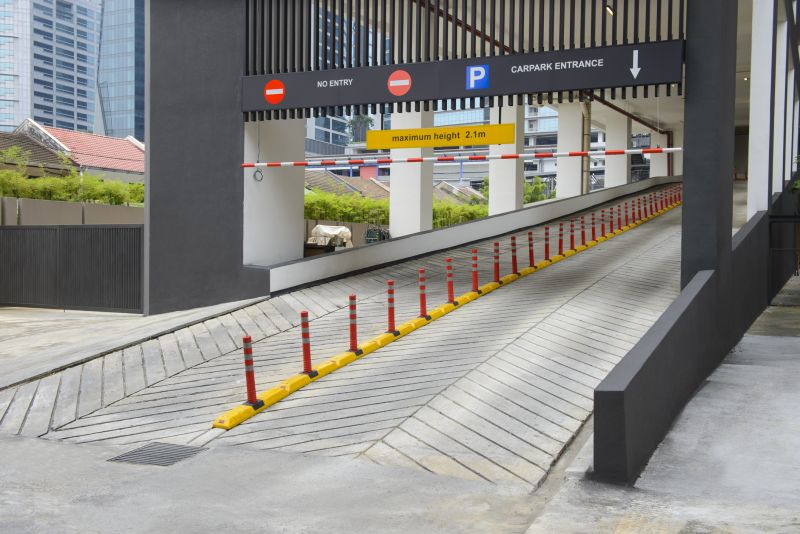
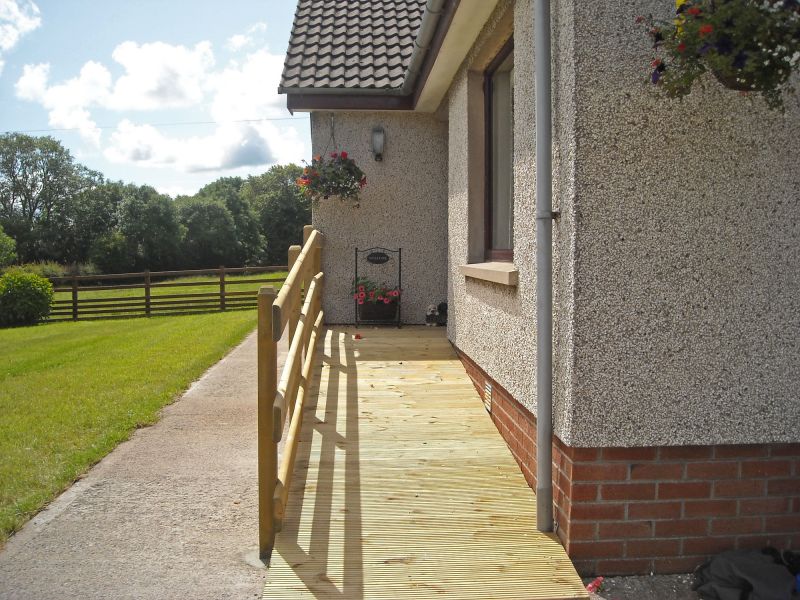
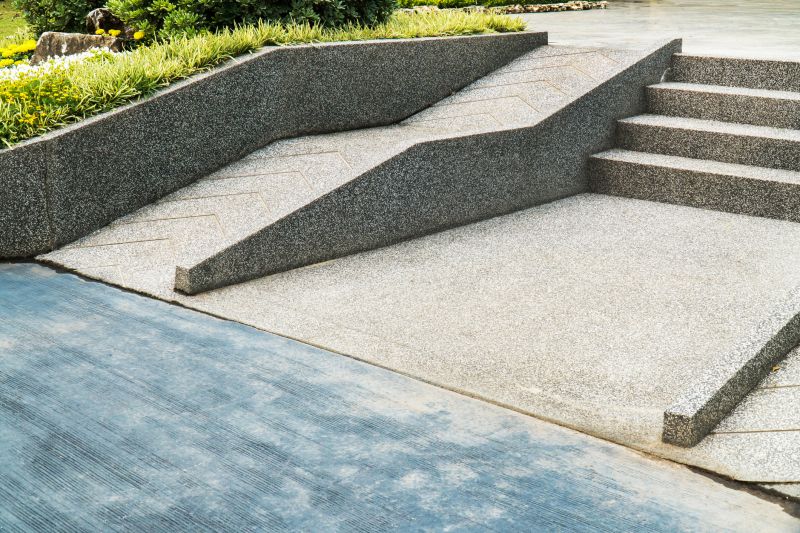
Concrete ramp installation services involve the construction of durable, smooth-surfaced ramps designed to provide accessible transitions between different levels or surfaces. These ramps are typically built to accommodate wheelchairs, walkers, or other mobility devices, making it easier for individuals with limited mobility to navigate entryways, garages, or outdoor spaces. The process includes site assessment, precise measurement, and careful pouring and finishing of concrete to ensure a stable, long-lasting surface that meets practical accessibility needs.
This service helps address common problems such as uneven or step-heavy entrances that can pose safety risks or prevent easy access. A professionally installed concrete ramp can eliminate tripping hazards, reduce the effort required to enter or exit a property, and improve overall safety for residents and visitors. Additionally, ramps can enhance the functionality of a property by providing smoother transitions for strollers, carts, or delivery equipment, making daily routines more convenient and safer.
Properties that typically utilize concrete ramp installation include residential homes, especially those with multiple steps or uneven terrain at entry points. Commercial buildings, such as retail stores, offices, or community centers, also often require ramps to meet accessibility standards and accommodate visitors with mobility challenges. In some cases, outdoor spaces like patios or gardens may also benefit from concrete ramps to facilitate easier movement across different levels or surfaces, improving overall accessibility and usability.
Local contractors specializing in concrete ramp installation can assess specific property needs and provide tailored solutions that improve safety and accessibility. Whether for a single-family home, an apartment complex, or a commercial property, experienced service providers can handle the entire process from initial planning to final finishing. Contacting local pros ensures that the work is performed efficiently and to a high standard, helping property owners create safer, more accessible environments for everyone.
The overview below groups typical Concrete Ramp Installation projects into broad ranges so you can see how smaller, mid-sized, and larger jobs often compare in your area.
In many markets, a large share of routine jobs stays in the lower and middle ranges, while only a smaller percentage of projects moves into the highest bands when the work is more complex or site conditions are harder than average.
Smaller Repairs - Most minor concrete ramp repairs typically cost between $250 and $600. These projects often involve patching or minor surface work and are common for routine maintenance. Larger or more complex repairs can go beyond this range.
Standard Ramp Installations - The cost for installing a standard concrete ramp usually falls between $1,000 and $3,000. Many local contractors handle these projects within this range, though factors like size and site conditions can influence the final price.
Full Replacement - Replacing an existing concrete ramp with a new one generally costs between $3,500 and $7,000. Larger or more intricate projects, such as those requiring permits or custom designs, may push costs above this range.
Large or Custom Projects - Extensive or customized concrete ramp installations can reach $5,000 or more, especially for complex designs or difficult site conditions. Many projects in this category are less common but can significantly increase overall costs.
Actual totals will depend on details like access to the work area, the scope of the project, and the materials selected, so use these as general starting points rather than exact figures.
Sidewalk and Pathway Construction - local contractors skilled in concrete work can design and install durable sidewalks and pathways similar to ramps for accessibility and safety.
Garage Floor Resurfacing - professionals experienced in concrete flooring can handle resurfacing projects that require precise leveling and finishing techniques akin to ramp installation.
Loading Dock Concrete Work - local service providers can build or repair loading docks, involving concrete pouring and finishing skills comparable to those used in ramp construction.
Driveway Paving and Repair - experienced contractors can install or restore concrete driveways, utilizing planning and pouring techniques similar to ramp projects.
Steps and Staircase Construction - local pros can craft concrete steps and staircases that require similar planning, formwork, and finishing skills as ramp installations.
Concrete Retaining Walls - specialists can build retaining walls with concrete, involving similar structural planning and concrete pouring expertise as used in ramp services.
When evaluating potential contractors for concrete ramp installation, it’s important to consider their experience with similar projects. Homeowners should look for service providers who have a proven track record of completing ramps in settings comparable to their own, whether residential or commercial. Asking for examples of past work or references can provide insight into their familiarity with the specific requirements and challenges of ramp construction, ensuring that the contractor understands the nuances involved in creating safe and durable access points.
Clear, written expectations are essential when comparing local contractors. Homeowners should seek detailed proposals that outline the scope of work, materials to be used, and the estimated process for completing the project. Having a comprehensive agreement helps prevent misunderstandings and provides a basis for evaluating whether a contractor’s approach aligns with the project’s needs. It’s also beneficial to clarify any questions about the process upfront, ensuring all parties share a common understanding of the work involved.
Good communication and reputable references are key indicators of a reliable service provider. Homeowners are encouraged to ask for references from past clients to gauge the contractor’s professionalism and reliability. Effective communication throughout the project ensures that any concerns or adjustments can be addressed promptly, leading to a smoother process. While the site introduces homeowners to local options, it’s up to the homeowner to engage directly with service providers who demonstrate experience, transparency, and a clear approach to delivering quality concrete ramp installation services.
Property owners use Concrete Ramp Installation services for practical projects around their homes and businesses. This guide focuses on everyday jobs and straightforward project options.
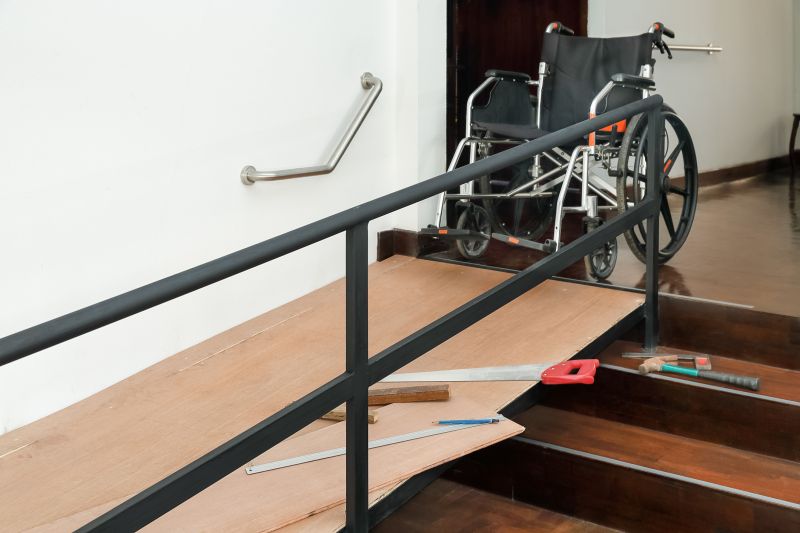
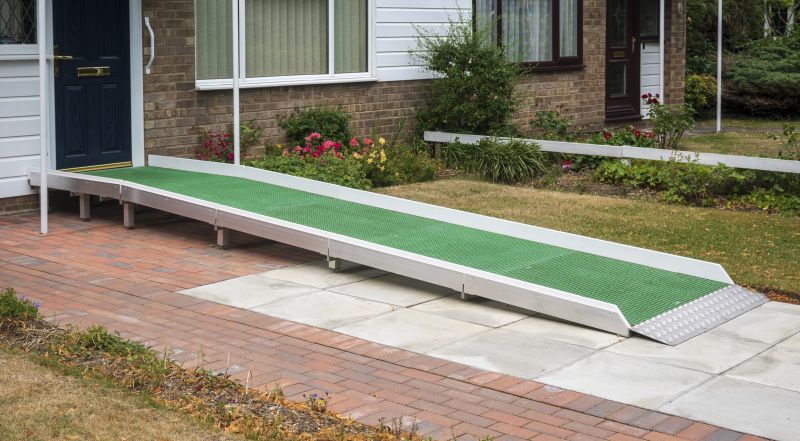
Concrete ramp installation is a common project for property owners who need accessible entryways for wheelchairs, strollers, or moving heavy items into buildings. Whether upgrading an existing entrance or creating a new accessible path, local contractors can help ensure the ramp is durable and meets practical needs for everyday use. These services are often sought after for residential homes, commercial buildings, or public spaces where smooth, reliable access is a priority.
Property owners may also look for concrete ramp installation when making modifications to accommodate mobility devices or improve safety around uneven terrain. Local service providers can handle various project sizes, from small residential ramps to larger commercial installations, helping to enhance accessibility and convenience around the property. Connecting with experienced contractors can make the process straightforward and ensure the finished ramp meets everyday requirements for safety and functionality.
What is involved in concrete ramp installation? Concrete ramp installation typically includes site preparation, form construction, reinforcement placement, pouring the concrete, and finishing touches to ensure a smooth, durable surface.
Can local contractors customize a concrete ramp for different needs? Yes, local service providers can tailor concrete ramps to accommodate various accessibility requirements, slopes, and dimensions based on specific project needs.
What types of surfaces can concrete ramps be installed on? Concrete ramps can be installed on various surfaces, including asphalt, gravel, or existing concrete, with proper preparation to ensure stability and longevity.
Are there different styles of concrete ramps available? Yes, local contractors can offer different styles, such as straight, curved, or custom-designed ramps, to suit different property layouts and aesthetic preferences.
What should be considered before installing a concrete ramp? Factors like site topography, load requirements, and accessibility standards are important considerations that local service providers can help evaluate.
Accessible Entryways - Installing a concrete ramp can improve access for individuals with mobility challenges, making entry to homes or businesses easier. Local contractors can help create a safe and stable incline suited to specific needs.
Garage and Basement Access - A concrete ramp provides a smooth transition for vehicles or foot traffic into garages or basements, especially when dealing with uneven ground or steps. Service providers can customize the design to fit existing structures.
Loading and Delivery Areas - Creating a concrete ramp can facilitate easier loading and unloading in commercial or residential settings, reducing strain and increasing efficiency. Local pros can build durable ramps tailored to the space.
Driveway Improvements - Adding a concrete ramp to a driveway can enhance curb appeal and functionality, especially on sloped terrain or uneven surfaces. Local contractors can assist with integrating ramps seamlessly into existing landscapes.
If you are thinking about Concrete Ramp Installation for a property, this guide is meant to help you understand the work, the typical project types, and how different options might fit your plans.
When you are ready, you can use the quote form on this page to share a few details about your project. From there, local pros can review the basics and respond with options that match what you have in mind.